


Diet
Diet
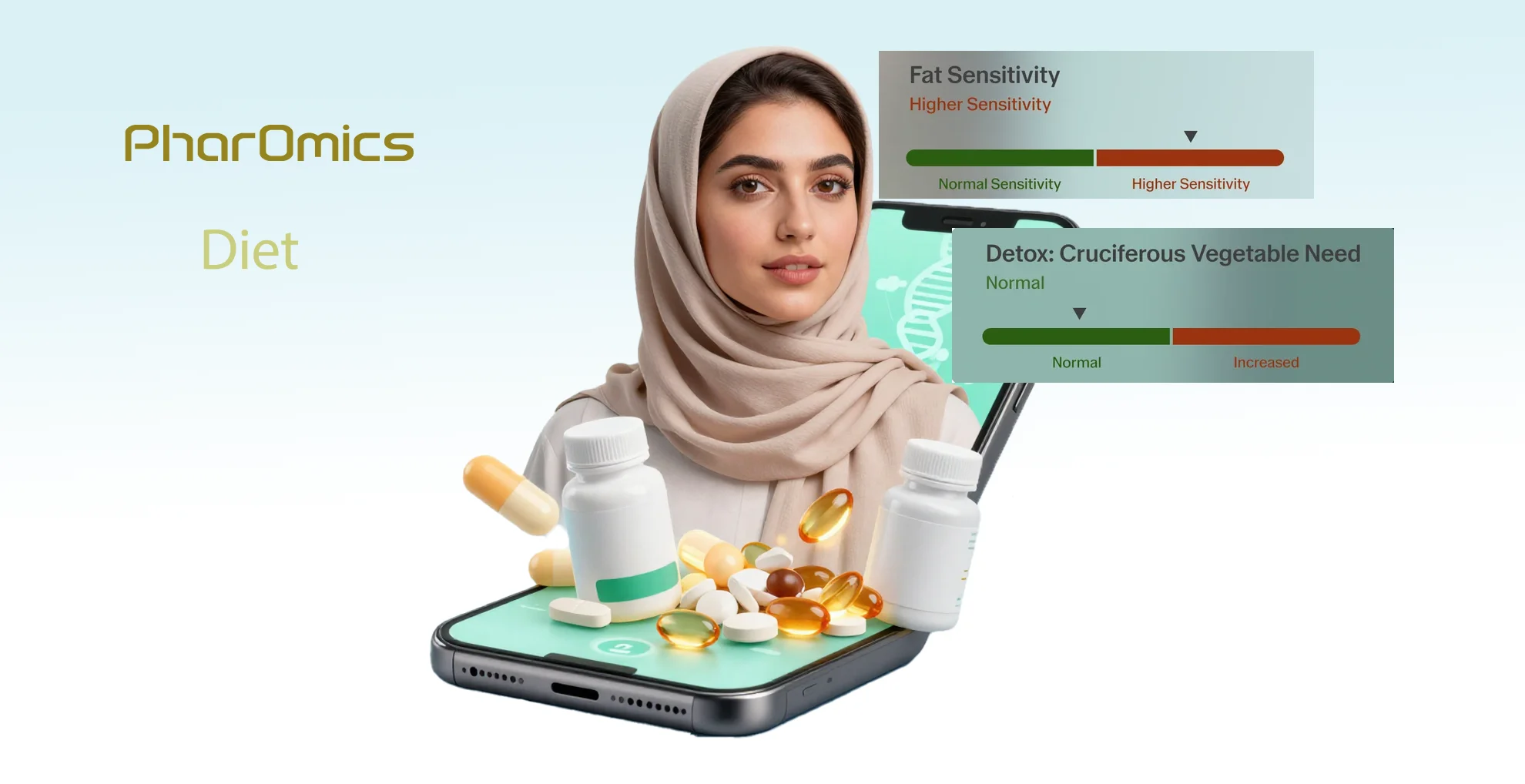
Is Your Diet in Harmony with Your Genetic Blueprint?
DNA-personalized nutrition is the key to lasting health and enduring vitality. A diet that works wonders for someone else might be useless for you. The secret lies in your genes

Feed Your Body According to Its Genetic Blueprint
Say goodbye to fad diets and unscientific meal plans for good. By discovering the real nutritional needs encoded in your genome, build a resilient body, experience lasting health, and slow down the aging process

Discover Your Optimal Diet
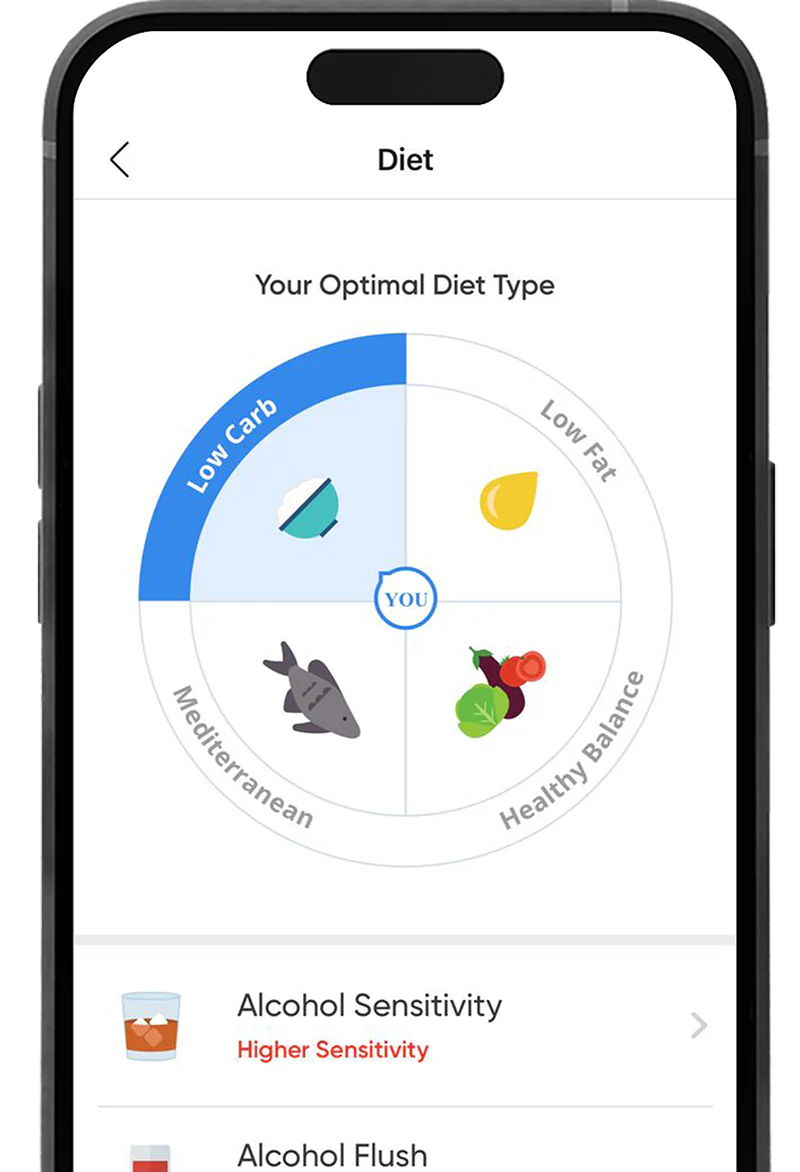
Find out which of the four main nutrigenomic pathways aligns best with your genome and delivers the best results for you

Reveal Your Hidden Food Sensitivities
Based on your DNA results, understand your body's reactions to lactose, caffeine, gluten, alcohol, and other food groups, and stop silent inflammation

Decode Your Body's Metabolic Machinery
Evaluate how your body processes proteins, carbohydrates, fats, and toxins, and design your lifestyle and diet accordingly
15 Reports of Personalized Diet
- Your Optimal Diet Type
- Carbohydrate Sensitivity
- Fat Sensitivity
- Sweet Tooth Tendency
- Salt Sensitivity
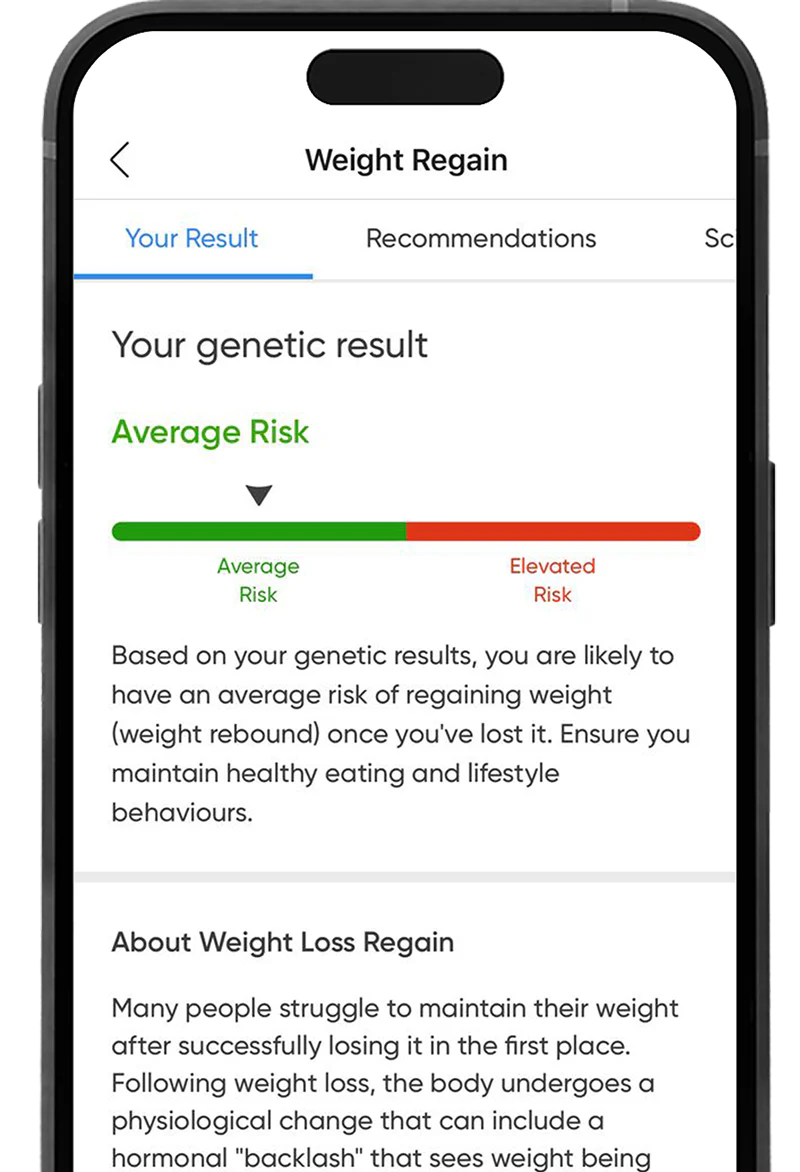
- Weight Regain Tendency
- Lactose Intolerance
- Theophylline Sensitivity
- Caffeine Sensitivity
- Spice Sensitivity
- Alcohol Flush Reaction
- Alcohol Sensitivity
- Taste Sensitivity
- Detox: Toxin Generation Speed
- Detox: Cruciferous Vegetable Need
Actionable Diet Guidance
From Data to Action: Get Your Personalized Nutrition Guide.
Our nutrition reports are not just raw data. They are a practical, personalized roadmap that combines expert knowledge from genomics, nutrition, exercise physiology, and psychology to turn your DNA insights into an actionable plan for a more vibrant and healthy you. Your DNA is your health coach
Personalize My Diet Plan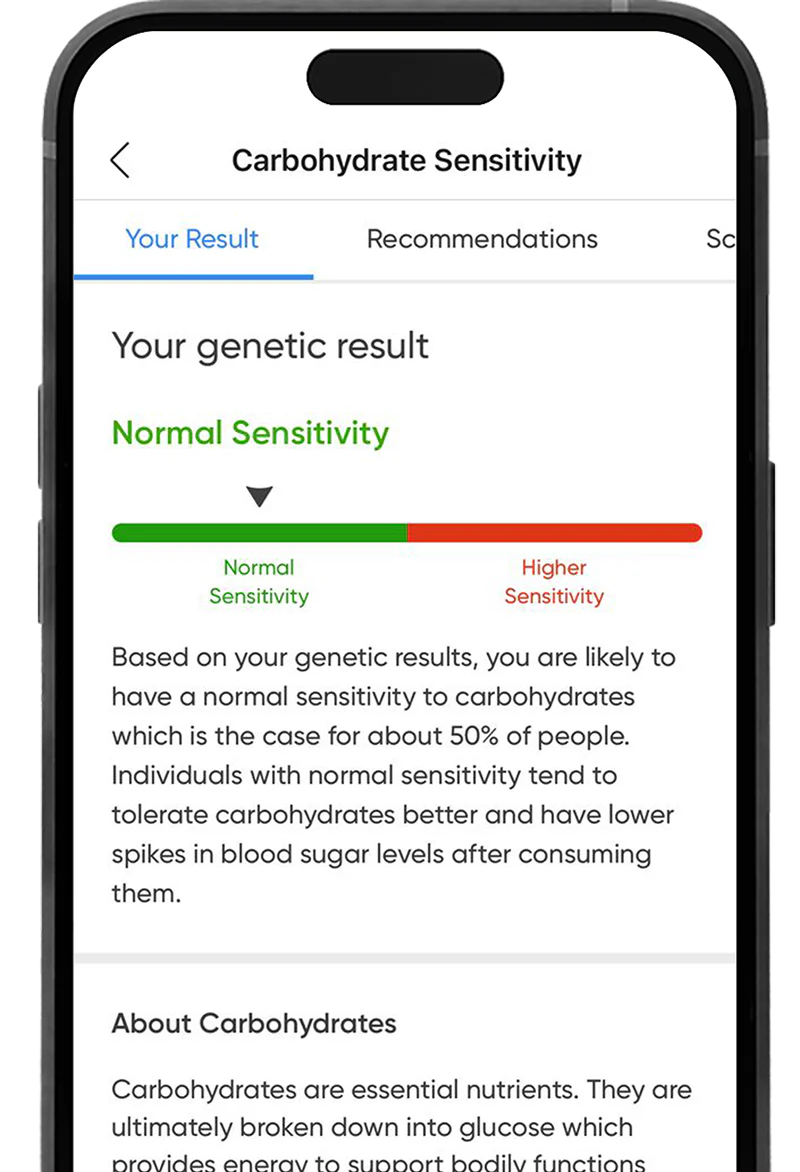
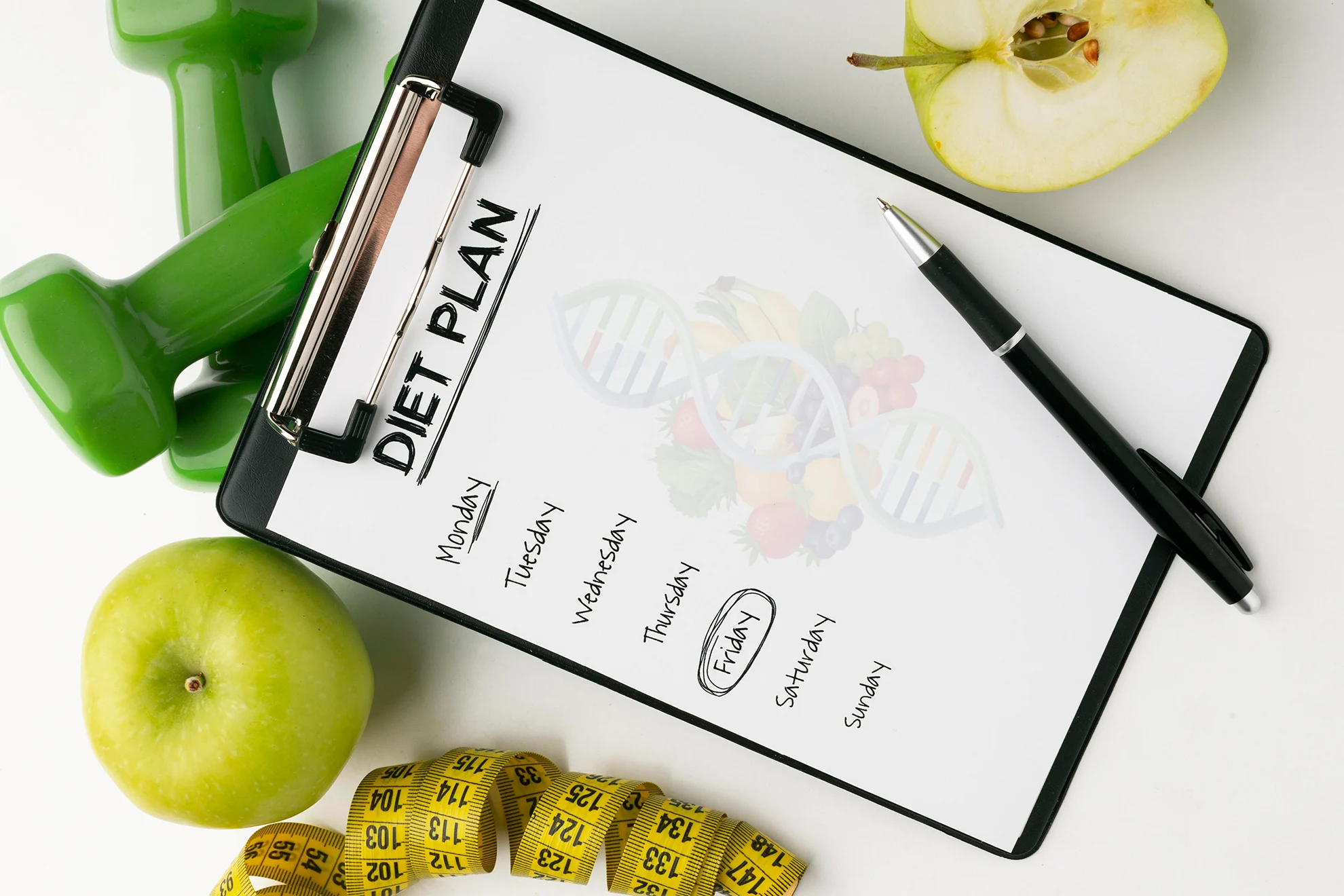
Your sports diet plan, designed from your own DNA blueprint
DNA-Aligned Diet Plan
Every single Body has its own unique blueprint
- Effective, lasting weight loss
- Targeted muscle gain
- Your ideal body composition
- Belly fat prevention
- Breaking the cycle of failed diets
- Supplement guide based on your real DNA needs
Joint Specialists:
- Medical Genomics
- Allergies
 Sports Nutrition
 Psychology
We illuminate the pathways of well-being within your genome — you live them.
Professor MH Modarresi, MD, PhD
Professor and Head of Medical Genetics, Tehran University of Medical Sciences
Prof. Modarresi as a national pioneer in genomic diagnostics, founded and introduced next-generation sequencing (NGS)–based genome analysis and advanced diagnostic methodologies in Iran, shaping the foundation of modern genomic medicine

Dr. Shahram Savad, MD, PhD
Medical Geneticist & Cancer Genomics Specialist
Member, American Society of Human Genetics (ASHG)
A leader in precision oncology, Dr. Savad pioneered Iran’s first personalized, NGS-based cancer panel, bringing cutting-edge cancer genomics into clinical practice

Dr. Nafiseh Saniee Khani, (PhD)
Molecular Medicine Specialist
Technical Director, Gen Darfam Pars (Knowledge-Based Company)
Dr. Saniee Khani bridges advanced molecular medicine with real-world diagnostics, ensuring the highest scientific and technical standards across genomic testing and interpretation

Dr. Arian Heshmati Far, (PhD)
Specialist in Medical Biotechnology & Bioinformatics Analysis of the Human Genome
He specializes in transforming complex human genomic data into actionable insights and has consistently worked to leverage PharOmics’s scientific and technical genomic capabilities to deliver personalized solutions in healthy lifestyle, nutrition, and performance, scientifically validated, trustworthy, and accessible to the public in the globe

DNA Kit Instruction Manual
01Kit Receipt
Once your order is completed on this website, the DNA kit will be shipped to your address. Please open the box and carefully read the instruction manual

02Saliva Sample Collection
Following the instructions in the manual, collect your saliva sample in the provided collection container

03Results Delivery
Complete the identification card and send the sample package back to us. Once the analysis and result interpretation process is finished, we will contact you

Q&A on DNA-Based Diet
If you still have unanswered questions, reach out to us directly
Business@PharOmics.com
If my genetics say I'm predisposed to obesity, does that mean I can never lose weight?
Absolutely not. This is one of the most common misconceptions about genetics that needs to be put to rest. Let's start with a simple analogy: genes are like a weather forecast. If the forecast says "70% chance of rain," you grab an umbrella, wear appropriate clothing, and choose a route that keeps you dry. But you don't stay home and cancel your life. In the exact same way, if your PharOmics report shows that your body has a genetic tendency toward increased fat storage, more frequent hunger signals, or delayed satiety, this is not a final, unchangeable verdict. It is intelligent information telling you: "Your body works this way, so let's find a way together to manage this natural pathway for your health benefit."
For example, if the analysis reveals that the "fullness" messaging system in your brain operates slightly weaker than others (meaning you take longer to realize you're satisfied), the solution is not "eat less and starve yourself." The solution is to eat smarter: fill your plate volume with fibrous vegetables (which send mechanical satiety signals), prioritize protein (the strongest chemical satiety signal), and eat more slowly (giving your brain enough time to receive the fullness message).
Or if it turns out your body secretes more insulin after consuming carbohydrates, leading to increased fat storage, the solution is not to eliminate carbs completely. The solution is to change the type of carbohydrates: instead of white rice and refined bread, use whole grains, legumes, and starchy vegetables that release sugar more slowly into your bloodstream and don't trigger an aggressive insulin response.
Thousands of people worldwide, despite carrying obesity-related genes, have reached and maintained their ideal weight by understanding how their bodies work and intelligently adjusting their lifestyle. Genes are not destiny; they are information that transforms into power in your hands.
I've been dieting for years, losing weight and regaining it over and over. Can this test break that cycle?
Yes, this is precisely one of the core goals of this report—and arguably its most important achievement for those who have struggled with this exhausting cycle for years. What you're experiencing is a well-known phenomenon in nutrition science and physiology that is, unfortunately, labeled as "weak willpower" in popular culture. This is a scientific injustice. Your body is evolutionarily programmed to interpret weight loss as a serious threat to survival. For our ancestors, weight loss meant famine, food scarcity, and the risk of death. So the body developed a powerful, multi-layered defense system to counteract weight loss.
When you diet and reduce calorie intake, your body enters "energy conservation mode." This involves several simultaneous physiological changes: basal metabolism drops (your body burns fewer calories at rest), hunger hormones surge dramatically (causing persistent hunger), satiety hormones are suppressed (you no longer feel full easily), and even body temperature slightly decreases (to save energy). These are intelligent survival responses from your body, not a sign of personal weakness.
But here is the key point: the intensity of this defensive response varies dramatically from person to person and is rooted in genetics. Some people can lose 10% of their body weight and their body shows a mild defensive reaction. Others, after just 5% weight loss, experience a "full-blown war" against further weight loss.
Your PharOmics report identifies these individual differences by analyzing genes related to metabolism, appetite, and fat storage. Based on this analysis, we can determine: which type of diet (low-fat, low-carb, Mediterranean, or a combination) creates the least resistance in your body and therefore yields the most sustainable results; what rate of weight loss is safe and sustainable for you—for some, half a kilo per week is ideal; for others, even 200 grams per week can trigger defensive mode; how to distribute your meals throughout the day so your body never feels "starved" and defense mechanisms stay inactive; and what time of day you are most sensitive to carbohydrates and should consume them for energy rather than fat storage.
Our goal is not to trick your body or fight against it. Our goal is to cooperate with it. By understanding your body's genetic language, we design a plan that your body does not perceive as a "threat," and therefore does not activate its defense mechanisms. This way, weight loss not only happens—it stays.
Will my diet test results change over time? If I test again in 5 years, will the result be different?
No. Your DNA, like your fingerprint, blood type, or eye color, remains stable throughout your entire life. The genomic sequence extracted from your saliva or blood sample today is exactly the same sequence you will have 5, 10, or 20 years from now. No diet, no exercise, no medication, and no life event can change your DNA sequence. Therefore, one test is valid for a lifetime.
This is good news: you invest once and benefit for the rest of your life. But there is even more exciting news: what does change, and grows deeper by the day, is our scientific knowledge of your genes.
Imagine your DNA as a very thick book in an unknown language, first decoded in 2003 (the Human Genome Project). At that time, we could read the letters of this book, but we didn't understand the meaning of most of its sentences. Now, every month and every year, scientists around the world are discovering new meanings from this book. Each new scientific study translates a new "sentence" from your genetic book.
For example, today your PharOmics diet report may cover 15 aspects of how your genes interact with food. But two years from now, a major international study may reveal that a specific region of the genome (which until yesterday no one knew what it did) is directly linked to how your body absorbs a particular vitamin or reacts to a certain food group. At that moment, the value of your report increases—without a single additional drop of blood from you.
At PharOmics, your raw genomic data (DNA file) is stored in a fully secure and encrypted archive. When new scientific findings are validated by the scientific community and reach clinical applicability, we re-analyze that same data with the new knowledge—without needing a new sample from you—and update your report accordingly.
This means your investment in your DNA is a living, growing asset, not a paper report with an expiry date. Its value does not decrease over time; it increases.
I'm vegetarian. Is this test useful for me, or is it only for people who eat everything?
It is even more useful—and one could argue, more essential—for you. Let me explain clearly and scientifically why.
Vegetarianism, especially if fully plant-based (vegan), is one of the healthiest dietary patterns in the world, associated with reduced risk of heart disease, type 2 diabetes, and certain cancers. However, it has one important challenge: certain vital micronutrients are either absent from plant sources, or exist in forms that are more difficult for the human body to absorb. This is a biochemical reality, not a flaw in the vegetarian lifestyle.
But the key point—and what makes this test incredibly valuable for you—is that the body's ability to cope with these challenges varies dramatically from person to person and is rooted in genetics. Two vegetarians following the exact same diet may have completely different nutritional statuses, simply because their genes tell a different story.
Your PharOmics report draws a precise roadmap for a vegetarian, covering the following:
- Vitamin B12 Absorption: This vitamin, crucial for the nervous system and red blood cell production, is found almost exclusively in animal sources. Vegetarians must supplement. But how much? The answer depends on your genes. Some people naturally have weaker B12 absorption (even if they consume animal products) and require higher supplement doses. Your PharOmics report precisely defines this need.
- Iron Absorption: Iron in plant sources (spinach, lentils, beans) is "non-heme" iron, which is much harder for the body to absorb than "heme" iron (found in meat). Some people are genetically very poor at absorbing non-heme iron, and despite eating abundant greens, they still develop iron-deficiency anemia. This test identifies whether you belong to this group and whether you need a higher-dose iron supplement.
- Plant Omega-3 Conversion: Plant sources of omega-3 (like flaxseed, walnuts, chia seeds) contain ALA, which must be converted in the body into active forms EPA and DHA to be usable by the brain, heart, and immune system. But the body's ability to perform this conversion heavily depends on your genes. Some people perform this conversion at very low efficiency (less than 5%), and even with abundant plant sources, they remain deficient in active omega-3. These individuals need algal-based omega-3 supplements (suitable for vegetarians). Your PharOmics report reveals this need.
- Zinc Absorption: Plant sources of zinc (like pumpkin seeds, chickpeas, and whole grains) contain compounds called "phytates" that bind to zinc and block its absorption. Some people have genes that worsen this problem and increase zinc loss from the body. This test determines whether you need richer zinc sources, specific food preparation methods (such as soaking and sprouting) to reduce phytates, or a zinc supplement.
In summary, this test provides you with a precise, personalized, genetically-based supplementation map—not generic one-size-fits-all advice. With this map, you can not only maintain your vegetarian lifestyle but optimize it, enjoying all its benefits without any hidden deficiencies.
Does this test tell me exactly how many kilos to lose or how many calories to eat per day?
No. test does not give you a magic number or a ready-made prescription, and let me be honest: no reputable test in the world provides such a number, and if you hear such a promise anywhere, you should question its credibility.
The reason is simple yet profound: weight loss is a highly complex, multivariable equation, and genetics is only one of those variables—albeit a very important one. Other variables include your age, sex, physical activity level, current body composition (what percentage of your weight is muscle versus fat), hormonal status (e.g., hypothyroidism or hyperthyroidism, menopause, or polycystic ovary syndrome), sleep quality and quantity, daily stress levels, gut microbiome status (the community of beneficial gut bacteria involved in metabolism), and even certain medications you may be taking.
Imagine you want to travel from one city to another. This test does not tell you "drive exactly 934 kilometers." Instead, it tells you: "Given your vehicle type (your body), the best route for you is through one path, not another. On this path, the road gradients are more compatible with your engine, and you will consume less fuel. Also, your car overheats at high speeds (rapid weight loss), so it's better to drive at a steady, moderate speed to reach your destination safely."
What this test does is far more valuable and fundamental than giving you a calorie number. It reveals the pathway to your ideal weight:
- It tells you: "Your body burns fats slower than carbs, so a low-fat, moderate-protein diet is more effective for you than a ketogenic diet."
- It tells you: "Your body is sensitive to caffeine and metabolizes it slowly. An afternoon coffee can stay active in your system late into the night and disrupt your sleep quality. Poor sleep directly dysregulates your hunger and satiety hormones, making you prone to overeating."
- It tells you: "Your body retains water after consuming salt. This fluid retention can show up as 2-3 extra kilos on the scale that have nothing to do with fat. By managing salt intake, your blood pressure improves and the scale gives you more honest feedback."
Precise daily calorie needs and goal weight are calculated during a consultation with a nutritionist. The nutritionist, equipped with your genetic report (which is like a treasure map) and considering all other individual variables (age, sex, activity, hormonal status, lifestyle, and personal goals), designs a completely personalized plan for you. This report is your compass, not your pedometer. It shows direction, not the number of steps.