


Cancer
Cancer
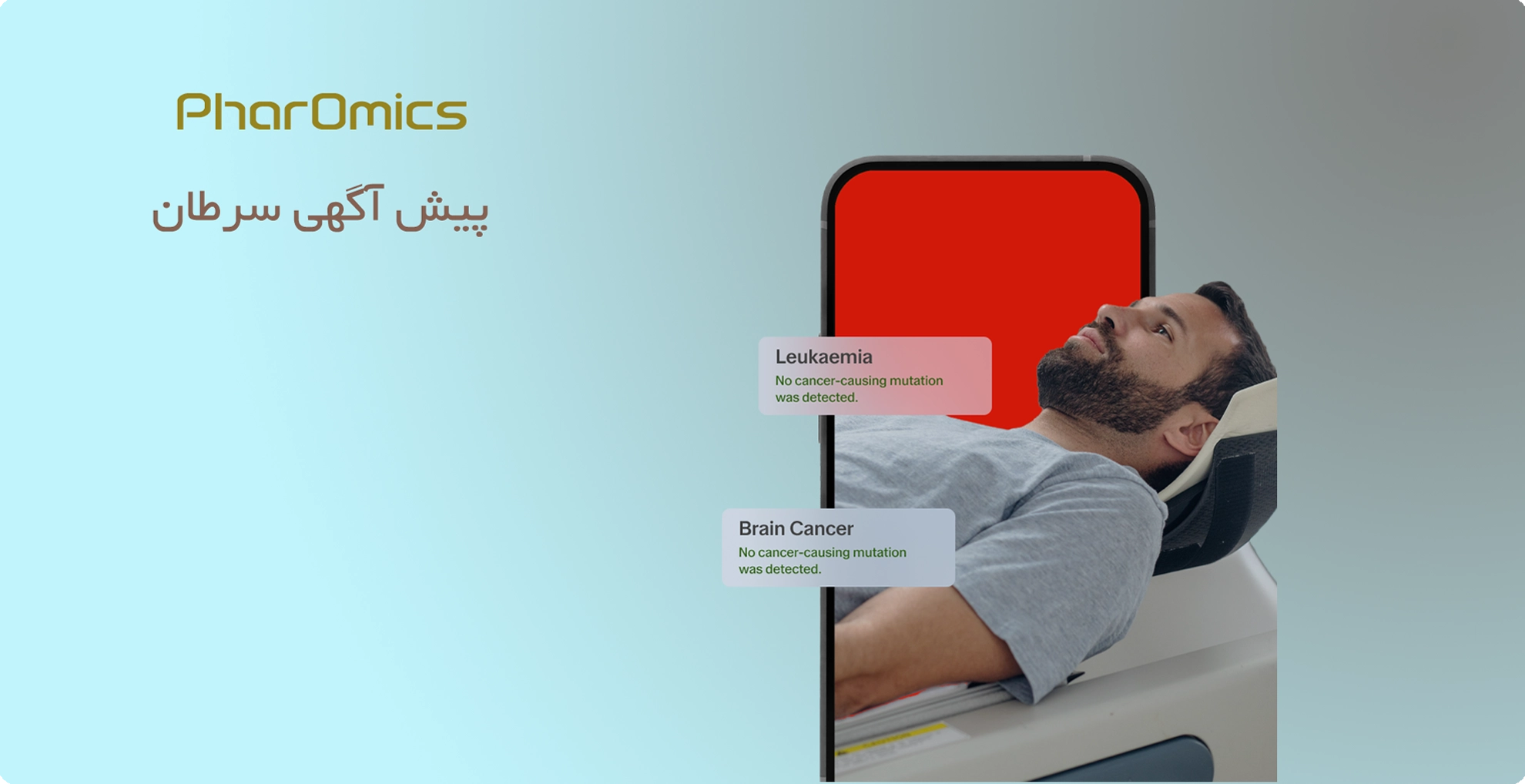
Are you worried about the cancer tsunami?
In today's societies, one in three people develops cancer (for example, cervical cancer in women). Therefore, it must be emphasized that if you have a relative with cancer, this alarm will likely sound for you as well. On the other hand, it sometimes happens that a number of cancers are passed down hereditarily from generation to generation within a family.
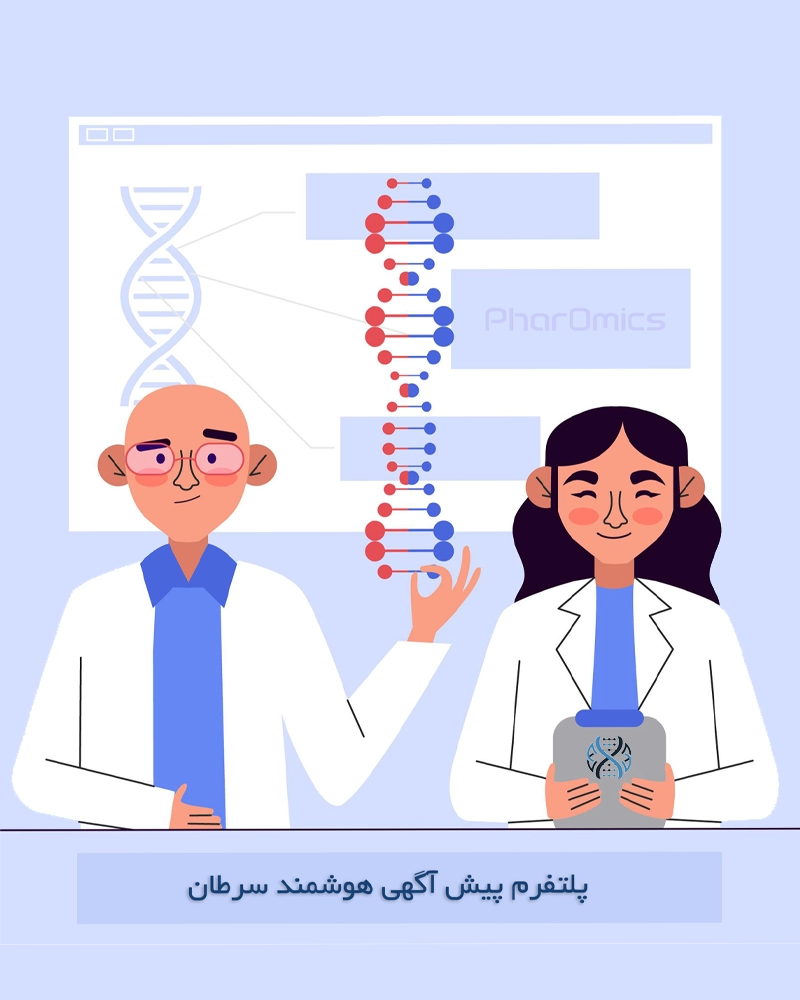
The cause of all cancers is changes and mutations in genes!
Analyze your DNA right now so that if you carry such changes in your genome, you can take preventive measures to reduce your risk of developing cancer.

Get cancer screening done
PharOmics's DNA test examines genetic regions that increase the risk of cancer and, by estimating the level of risk, prescribes preventive measures to lower the probability of developing cancer.
I have a relative with cancer
We emphasize that you should perform point-by-point DNA analysis to examine all cancer-causing genes. Cancer can be easily prevented and treated if you are aware in advance of the level of increased risk in your genes and take action.
I currently have cancer myself
DNA analysis tells you what level of disease progression you are at, how effective the treatments you have undergone have been, and what stage you are at regarding tumor recurrence.
36 Cancer Risk Assessment Reports in the following categories:

- Eye cancers
- Skin cancers
- Soft tissue and nervous tissue cancers
- Blood and bone marrow cancers
- Head and neck cancers
- Digestive system cancers
- Genitourinary system cancers
- Solid tumors of endocrine glands and nervous tissue
- Solid tumors of internal organs
- Cancer syndromes
Receive specialized cancer consultation based on your DNA information
Genetic and oncology consultation process
The results of the DNA analysis are evaluated and analyzed by PharOmics's team of specialists, and the most accurate prognosis for various types of cancer is provided so that with this knowledge, you can take preventive measures to reduce your risk of developing cancer, thereby reducing stress and anxiety about developing cancer and protecting your family members.
Register order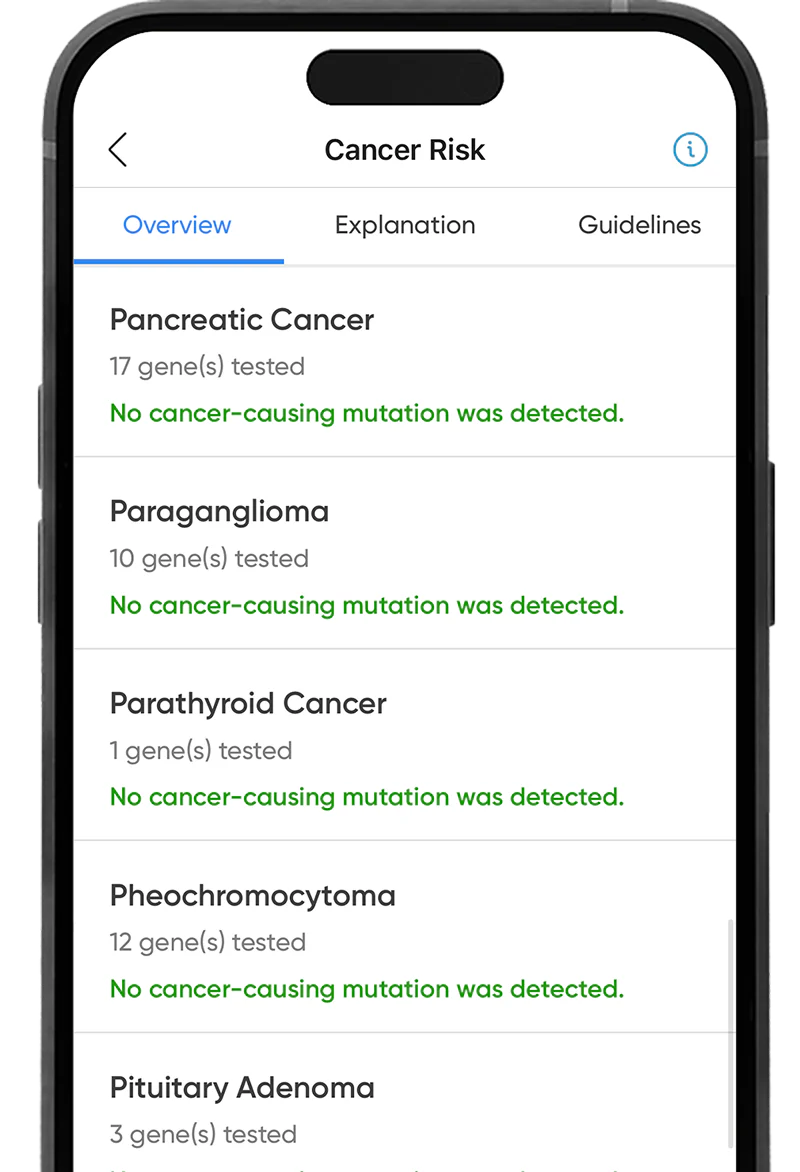
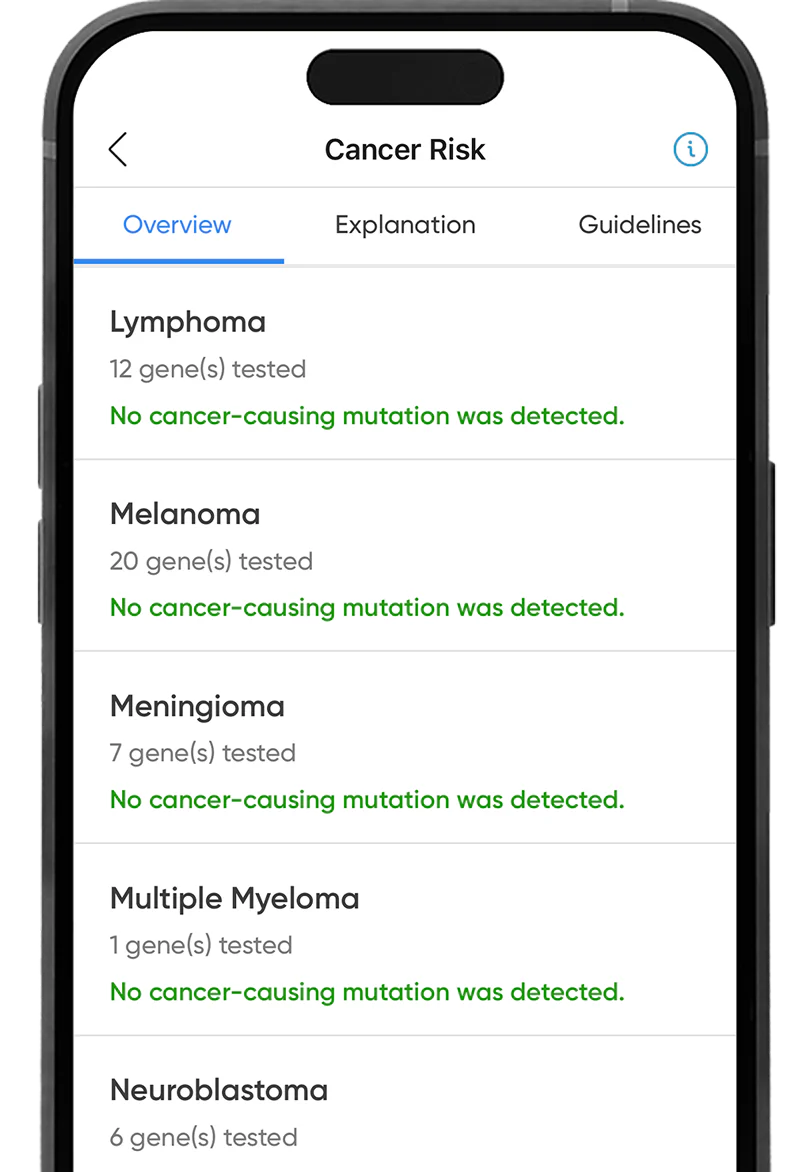
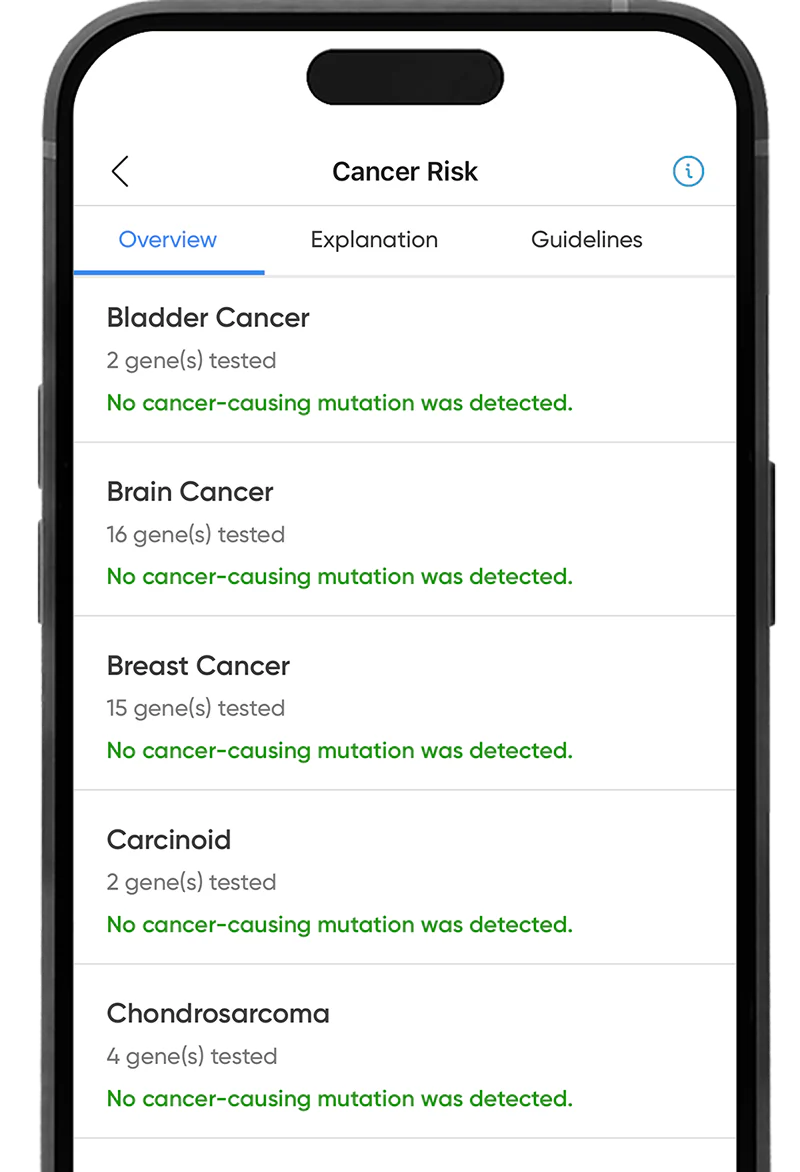

PharOmics, a leader in Cancer Genomics, is committed to quality integration at all levels of its activities.
The prognosis of various types of cancer at PharOmics is carried out at two levels, depending on the diagnostic technology used:
• Level one, called cancer screening and performed through a DNA test kit, specifically examines the risk of developing those cancers for which the influence of genetics in increasing the probability of developing them has been confirmed.
• Level two, which consists of the Premium Cancer Genome NGS Package, analyzes and interprets all genetic changes leading to an increased risk of various types of cancer, point by point across the entire genome.
Specialized genomic and oncology consultation is provided equally at both levels.
Comparison of technology used in point-by-point sequencing vs. DNA kit screening
Cancer Genome Sequencing
- Uses Whole Exome Sequencing (WES) technology for DNA analysis.
- All your genes are sequenced simultaneously, and genetic regions associated with cancers are analyzed with higher sensitivity.
- In affected individuals, a cancer genome DNA profile is provided.
- Strongly recommended for individuals with a family history of cancer, especially those with young affected relatives.
- Useful for prognosis and prevention, treatment management, and treatment monitoring.
Cancer Screening Kit
- Results are extracted using DNA Microarray technology.
- 85 million selected regions for hereditary cancers are examined across the entire genome.
- Your results only interpret the genetic component and show an increased or decreased risk of developing cancer.
- Not all genetic regions associated with cancers are examined; rather, the most important and influential genetic regions are examined.
- Not valid alone for clinical or diagnostic use. Before making any lifestyle changes or medical decisions, you must consult with a specialist physician.
Planning for Prevention and Early Detection
Premium Cancer Genome NGS Package
Gene sequencing and analysis for predicting various types of cancer
- Determination of polygenic cancer risk for cancer prognosis before symptoms appear
- Providing a map of hereditary syndromes for genetic variants associated with familial cancer
- Estimation of the highest cancer risk based on age
- Setting up a personalized screening program based on gene sequencing and family history
- Drug response profile in affected patients
- Genomic monitoring of cancer treatment
- Individuals over 40 years old
 Women and men with a strong family history of ovarian, breast, prostate, and colorectal cancer
 Specialized cancer clinics
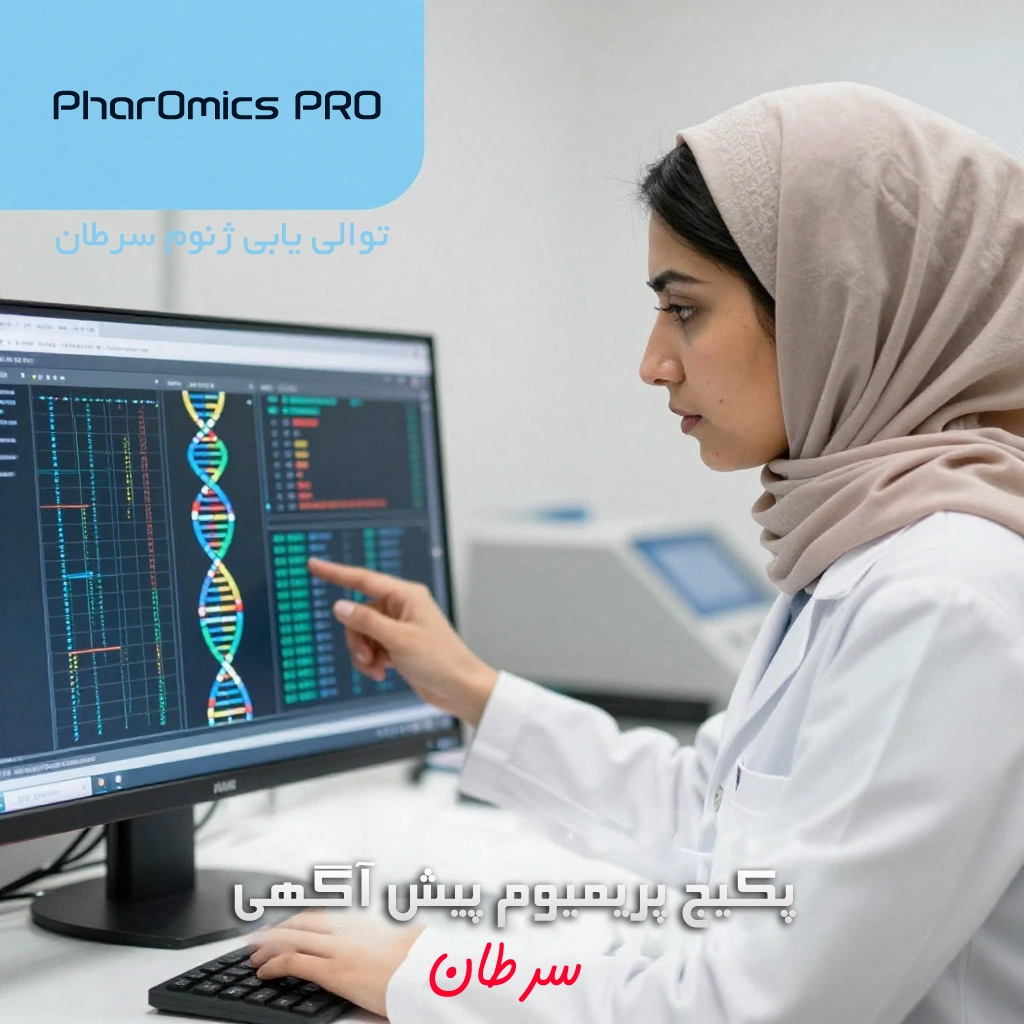
We illuminate the pathways of well-being within your genome — you live them.
DNA Kit Instruction Manual
01Kit Receipt
Once your order is completed on this website, the DNA kit will be shipped to your address. Please open the box and carefully read the instruction manual

02Saliva Sample Collection
Following the instructions in the manual, collect your saliva sample in the provided collection container

03Results Delivery
Complete the identification card and send the sample package back to us. Once the analysis and result interpretation process is finished, we will contact you

Intelligent Cancer Prognosis Platform
Answers to further curiosities
Clarification of points that may still be unclear to you
For online communication, enter via the "Whats app" messenger link available on the page
What is personalized cancer prognosis?
Personalized and precision medicine is an innovative approach in healthcare that, through complete analysis of an individual's DNA and genome, provides treatments, prevention, and health recommendations tailored precisely to the individual's genomic characteristics.
DNA analysis and interpretation is the key to entering personalized medicine and solving the puzzle of individual health, accomplished through a DNA test kit.
DNA analysis allows for detailed assessment of your genetic risks, metabolic patterns, drug response, and biological predispositions. Without a personal DNA and genome profile, no preventive or therapeutic program can be fully accurate.
This approach enables an individual to:
- Identify genetic risks for cancer, diabetes, and other chronic diseases even before their own birth: By examining an individual's genome, one can predict the likelihood of developing various cancers, type 2 diabetes, and other chronic diseases such as heart disease, high blood pressure, and obesity that they may face during their lifetime. This precise scientific information allows for targeted monitoring and timely preventive measures, thereby predicting, reducing, or even eliminating the risk of serious diseases.
- Plan a personalized and exclusive nutritional and exercise lifestyle for their body: An individual's genome shows how the body absorbs nutrients, circulates energy, responds to exercise, and manages its metabolism. Based on this data, a personalized diet, exercise program, and lifestyle can be designed that not only reduces disease risk but also optimizes overall health and body function.
- Understand precise drug and treatment responses: Genomic analysis helps you understand how your body reacts to different drugs, what potential side effects are, and which dose or treatment method is more effective. This information is especially crucial for serious diseases like cancer, diabetes, or other chronic conditions, enabling more precise and safer treatment provision.
- Make intelligent decisions for the health of children and family: By understanding your genetic status and recognizing risks, you can make preventive and scientific decisions for your own personal health, your children's health, and your family's health, minimizing potential genetic effects through lifestyle changes or timely action.
What do strong family history and high familial risks mean?
Cancer is fundamentally a DNA-related disease. This disease can either arise in an individual's own DNA due to environmental damage (such as prolonged exposure to harmful radiation like radioactive rays and X-rays, or certain chemicals) or it can already exist in the DNA inherited from the father or mother in a hereditary manner.
If cancer occurs due to changes in a specific gene inherited from the father or mother and is passed down from generation to generation affecting multiple offspring, it is called hereditary familial cancer, such as certain eye cancers or cancer syndromes that begin in childhood.
However, it must be understood that hereditary cancers are rare, accounting for approximately 5% of all cancers.
Common cancers generally arise from more complex genetic mechanisms and mutations in hundreds of cancer-related genes, manifesting in middle age and beyond.
The greater the number of cancer-predisposing genes in an individual's genome, the higher their likelihood of developing cancer, and thus their polygenic cancer risk score is determined to be higher.
Because relatives share a higher percentage of genes, if cancer-predisposing genes circulate from generation to generation and family to family due to this genetic similarity, affecting more individuals within that family, it is estimated that such a family has a higher risk of developing cancer compared to other people in society. Therefore, if taking a family history reveals that the number of cancer-affected individuals among a person's relatives exceeds the normal rate in the population, that person is said to have a strong family history and high familial risks for developing cancer.
So, can cancer really be prevented?
Yes, and the answer lies in DNA.
Each person's individual identity and biological structure is unique and comes into existence only once in the universe. No two completely identical humans have existed, exist now, or will exist in the future. Therefore, using precise DNA analysis and comprehensive genomic reports, personalized medicine empowers individuals to manage their health preventively, scientifically, and accurately, reduce the risk of serious diseases such as cancer, diabetes, and other chronic conditions, and become the best version of themselves.
This approach is considered a valid and reliable scientific standard not only for ordinary individuals but also for healthcare and genomics professionals when dealing with treatment issues.
At what age should I start screening?
In this matter, the individual's polygenic cancer risk (level of risk of developing the disease) is the determining factor.
Individuals at the highest risk of developing the disease, as well as those at moderate risk, should be urgently covered by screening programs.
For example, in the case of familial adenomatous polyposis (FAP), to detect polyps at the end of the large intestine, screening should begin in adolescence.
However, generally, most cancer screening programs usually begin after age 25.
The age range that carries the highest risk for most hereditary predisposition cases is 35 to 50 years. Therefore, this period is very important, and screening must be performed with a regular program as determined by a specialist physician, continuing after this age for the remainder of life.
Familial cancers manifest at younger ages. In some families, the age of cancer onset is particularly early, and it is recommended that at-risk individuals in these families undergo screening five years before the onset of symptoms in affected family members, such as with various cancers that begin in childhood, where follow-up of other individuals must be faster.
The recommended intervals between screenings depend on the type of cancer and are determined based on the natural history of that specific cancer, a matter decided by a specialist physician.
For example, because breast cancer is not detectable in the premalignant stage and early detection is crucial for this cancer, women with a family history of ovarian and breast cancer are strongly advised to undergo regular annual mammography from age 35 onward.
PharOmics is an intelligent cancer prognosis platform that plans for prevention and early detection of various cancers within the framework of the Premium Cancer Genome NGS Package, especially for individuals at higher risk, based on gene sequencing and analysis for predicting various cancers. It also enables individuals to make more informed decisions for themselves in lifelong monitoring programs.
What is the sample collection method for cancer testing?
It depends on the type of analysis and the package you request.
- In the Premium Cancer Genome NGS Package, the sample can be blood or tissue biopsy.
- DNA Kit:
Sampling for the DNA kit is a completely non-invasive and painless process that only requires your saliva. This method is convenient, safe, and can be done at home, with no need to visit a laboratory in person.
The workflow for both cases continues as follows:
Package Selection: First, you choose between the Premium Cancer Genome NGS Package and the DNA test kit. Receiving the Sampling Kit: After placing your order, the sampling kit appropriate for your chosen test will be sent to you. The kit includes all necessary tools and complete instructions. Sample Collection: Using the kit, you collect your saliva sample. This is simple, quick, and done in the privacy of your home. Sending the Sample to the Laboratory: After collection, the sample is placed back in the kit's packaging and sent to the PharOmics laboratory. The packaging is typically designed for safe transport. Tracking and Receiving Results: After receiving the sample, the laboratory begins the DNA analysis process, and you can view your results online.
This method ensures that sample collection is easy, safe, and painless, and that your information is examined confidentially and accurately.